
The Allure of Casino Games
The psychology behind casino game choices is a complex interplay of risk, reward, and social dynamics. Each game offers unique incentives that attract different types of players. Slot machines often draw in those who enjoy instant gratification, appealing to the thrill of a quick win. In contrast, games like poker or blackjack require a blend of skill and strategy, attracting players who thrive on competition and calculated risks. Interestingly, many players also gravitate towards the best uk non GamStop casinos to find games that suit their preferences.

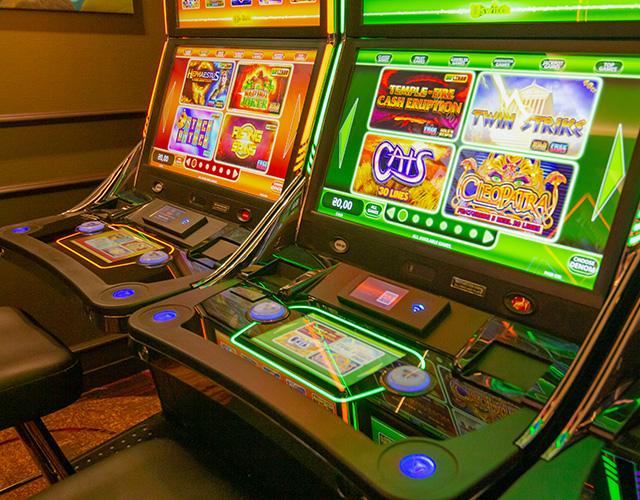
The sensory experience of a casino also plays a significant role in game selection. The sights and sounds of spinning reels, flashing lights, and excited chatter create an atmosphere that stimulates excitement and can lead players to make spontaneous decisions. Understanding these psychological triggers helps explain why certain games are more popular among various demographics.
The Role of Cognitive Biases
Cognitive biases significantly influence how players perceive odds and make decisions at casinos. One common bias is the gambler’s fallacy, where individuals believe past outcomes affect future probabilities. For example, a player might think a slot machine is “due” for a win after a series of losses, leading them to play longer than planned, despite the odds remaining unchanged.
Another important bias is overconfidence, which can lead players to underestimate risks. This is particularly evident in strategy-based games, where players may overestimate their ability to influence outcomes. Recognizing these biases can help individuals make more informed choices and develop strategies that align with realistic expectations.
Emotional Factors Impacting Game Choices
Emotions play a crucial role in the decisions players make in a casino setting. Many individuals gamble to escape everyday stressors or to experience the thrill of winning. This emotional aspect can lead to impulsive game choices, where players might opt for more exciting or riskier games in the heat of the moment, rather than sticking to a pre-planned strategy.
On the flip side, feelings of loss can drive players to choose games with potentially higher payouts, hoping to recover their losses. This behavior can create a cycle of chasing losses, which often leads to greater financial risk and emotional turmoil. Understanding these emotional drivers is essential for developing healthier gambling habits and more sustainable strategies.
Strategies in Game Selection
Developing a strategy for game selection involves a blend of personal psychology, knowledge of game mechanics, and awareness of one’s own emotions. Players who take the time to analyze the games available typically fare better than those who jump into play without a plan. For instance, those who study the odds and payout structures of different games can make more informed choices, tailoring their strategies to align with their financial goals and risk tolerance.
Additionally, effective bankroll management is a critical component of any successful strategy. Setting limits on how much to spend can prevent emotional decisions influenced by the highs and lows of gaming. By understanding their limits and sticking to a budget, players can ensure that their gambling remains enjoyable and does not negatively impact their lives.
Finding Support and Resources
This website serves as a valuable resource for individuals seeking to explore the intricacies of gambling, including the psychological factors at play. As users navigate through various sections, they can find information that helps them understand not only their motivations but also the strategies that can enhance their gaming experiences responsibly.
By promoting awareness of psychological principles and effective strategies, the aim is to foster a supportive community that encourages informed choices in the world of gambling. Whether you are a casual player or a seasoned gambler, understanding the psychology behind game choices is crucial for developing a rewarding and responsible approach to gaming.