Yoga: a beginner’s guide to the different styles Yoga
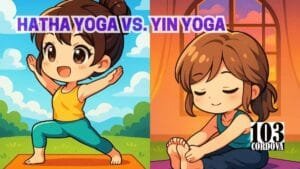
If you are new to Hatha yoga, there are many classes available both in studios and online. A basic practice can be undertaken with simple, foundational postures. So when it comes down to it, Yin yoga is focused on flexibility and relaxation, while Hatha yoga is a type of Yang yoga that focuses on strength and mobility.
Definition of Hatha Yoga
Choosing the right yoga class will really depend on your personal goals and preferences. Some yoga styles (like Vinyasa yoga) are best suited for those looking to build strength and burn calories, while others (like Yin yoga) are ideal for relaxation and mindfulness. Our Casuarina yoga studio offers a mix of yoga styles to suit all levels of fitness and experience.
How To Practice Three Part Breath (Dirgha Pranayama)
These poses are seamlessly woven together in a dynamic sequence, making Vinyasa Yoga a powerful practice for building strength, flexibility, and mindfulness. This relaxing is the opposite of stress, making this the healthiest thing we could do as now we are understanding the huge role stress plays in our overall health. When your mind is quiet, you can tune into what your partner (your body) is saying in that language of sensation.
Breath & Energy
In order to help each student find the proper alignment, an Iyengar studio will stock a wide array of yoga props — blocks, blankets, straps, chairs and bolsters are all common. There isn’t a lot of jumping around in Iyengar classes, so you won’t get your heart rate up, but you’ll be amazed to discover how physically and mentally challenging it is to stay put. For a speedier recovery from an injury or to relieve sore, tight muscles, check out our line of recover products. The best thing about yoga is that almost anyone can reap the benefits.
Is Yin Yoga A Form Of Hatha Yoga?

If you seek an energetic and dynamic practice, Vinyasa Yoga will challenge you. Regardless of the choice, incorporating yoga into your routine will enhance your overall well-being. The benefits include improved flexibility, enhanced mental clarity, stress reduction, and better posture. It is an excellent practice for beginners and those looking to cultivate inner peace through slow and mindful movements. If you are wondering what is Hatha Yoga vs Vinyasa, this guide will help you navigate the key differences, benefits, and various aspects of these two styles.
Discover the Unique Benefits of Yin Yoga Compared to Traditional Yoga
- When everything is working together well you might feel energised yet calm and grounded at the same time.
- As you surrender to a pose and hold it for long, you become mindful of deep-rooted sensations and emotions that rise to the surface.
- Yin Yoga, on the other hand, has its roots in modern practice and is influenced by Taoist principles, emphasizing the flow of energy through stillness and deep, passive stretches.
- Yang represents light, active, masculine, extroverted, and expressive energies.
- Hatha Yoga, on the other hand, incorporates a wide range of dynamic movements that target the muscles, strengthening and toning them.
- Yin yoga can also be a beautiful way to support and nourish the body alongside strength training and vigorous activities like running and cycling.
This interpretation was systematized by Sri Pattabhi Jois in Mysore, India, who taught that physical practice was the foundation upon which deeper limbs of yoga could be built. Our goal is to revive the essence of authentic yoga — not just as a physical practice, but as a complete way of living. Both styles offer unique benefits, and choosing between them depends on personal preferences and fitness goals.
Gentle and Passive in Yin Yoga
You should try any Yin Yoga pose, at least 15 minutes every day for better results. Gradually, you can improve the flexibility of your body and learn to connect with stillness. There is no harm in doing yoga every day, regardless of the style. It will be beneficial to your body and mind if you can spare some time daily for yoga. Hatha Yoga is a wide range of yoga that includes Pranayama (breathing techniques) with Asana (postures). In simple words, Yin Yoga makes you stronger with mental stability, while Hatha Yoga improves your body’s physical strength.
What are the biggest differences between these two styles?
Although both stem from old traditions, important distinctions should be considered when deciding which method is best for you. This article will compare and contrast Yin and Hatha yoga, offering insight into the benefits of both practises and offering advice on which may be better for beginners. For a deeper exploration of how yoga can support your mental well-being, check out our article on yoga for self-compassion (includes a yoga sequence). While Hatha yoga builds mental resilience through active engagement, Yin yoga brings healing and transformation through surrender and stillness. Many people find that combining both styles offers a balanced approach to their overall well-being.
Difference Between Hatha and Vinyasa Yoga
Generally, Hatha Yoga is the practice of performing postures in sync with breathing patterns. 12 Asana of Sun-Salutation is the simplest yet the most powerful reviews unimeal part of Hatha Yoga. All the Yin Yoga poses are supposed to be held longer to gain proper mindfulness. It allows you to focus more on your breath and self-awareness. Joint injuries can cause hypermobility with damage to the restraining connective tissue around it. In such cases, a Yang Yoga style that strengthens the joints and tissues should be adopted, not one that lengthens it.
You may also hear the term Ashtanga yoga used interchangeably with Vinyasa. While they’re similar in approach, the key difference is that Ashtanga sessions follow the same pattern of poses every time. Vinyasa is an approach to yoga in which you move from one pose directly into the next. There’s a flow to a Vinyasa yoga session, though the specific poses and the pace of the flow vary from one instructor to the next.
Yoga Classes Casuarina, Kingscliff, Cabarita
The goal of Hatha yoga is balance between strength and flexibility, effort and ease, body and mind. Many people find it a perfect entry point into yoga because it teaches the fundamentals while still providing a mild workout and a clear sense of focus. Yin yoga, on the other hand, is a practice of profound surrender. And by that we mean a complete and total surrender to the gravity and the wisdom of your own body.